

TL;DR:
- Choosing skins based on personalized ratings enhances gameplay effectiveness and confidence.
- Dark or medium-toned skins offer stealth advantages in competitive modes.
- Regularly reviewing and testing skins ensures they align with changing game metas and strategies.
Picking the perfect Fortnite skin sounds simple until you’re staring at hundreds of options, your V-Bucks burning a hole in your wallet, and zero clarity on what actually fits your playstyle. The right skin does more than look cool. It shapes how you move through the game, how opponents read you, and how confident you feel dropping into a match. With over 1,500 skins available in the Fortnite catalog as of 2026, the pressure to choose wisely is real. This guide walks you through a step-by-step approach to selecting skins that work for your style, your strategy, and your goals on the island.
Key Takeaways
| Point | Details |
|---|---|
| Personal rating matters | A custom rating system helps you pick skins that truly match your style and needs. |
| Color impacts gameplay | Choose medium or muted colors for a balance of stealth and visibility. |
| Test before you buy | Preview or trial skins whenever possible to minimize regret and maximize satisfaction. |
| Meta trends shift | Update your skin ratings as professional preferences and game updates change. |
Create your own Fortnite skin rating system
Now that you’re ready to refine your approach, let’s break down how a personalized system works. Most players pick skins based on a gut feeling or because a favorite streamer wore it last week. That’s fine, but it often leads to regret after spending 1,500 V-Bucks on something that feels wrong in the lobby. A structured rating system fixes that.
The idea is straightforward. Rate skins across key categories like visibility, style appeal, distraction level, movement feel, and overall vibe. Score each one on a 1 to 5 scale, with 5 being the best possible experience. When you total your scores, you get an objective picture of whether a skin actually works for you or just looked flashy in the item shop preview.
Here’s how to build your rating system:
- Visibility — Can enemies spot you easily from a distance? Lower is better for stealth players.
- Style appeal — Does it match your personal aesthetic and feel like you in the game?
- Distraction level — Do the skin’s animations or effects pull your eye away from threats?
- Mobility feel — Does the skin’s size or silhouette feel nimble and responsive during movement?
- Overall vibe — Would you actually feel hyped loading into a match wearing this?
The beauty of this system is that it’s personal. A casual player might rank style appeal at the top, while someone grinding ranked modes will weight visibility and distraction much higher. There’s no universal right answer, and that’s the point.
“A skin that scores 4s across all five categories will almost always outperform a skin you bought purely on hype.”
Pro Tip: Revisit your ratings every new season. What worked in Chapter 5 might feel off in a reworked map or meta. New skins often shift the visual landscape, and a skin that blended in last season could stand out now.
Keeping your system updated prevents stale choices and keeps your locker competitive. Think of it less like a checklist and more like a living document that grows with your game.
Balance color, patterns, and visual effects
Once you have your evaluation method, it’s time to look at how color and style features contribute to the best (or worst) skin experiences. This is where a lot of players get surprised, because what looks amazing in the locker often behaves very differently mid-match.
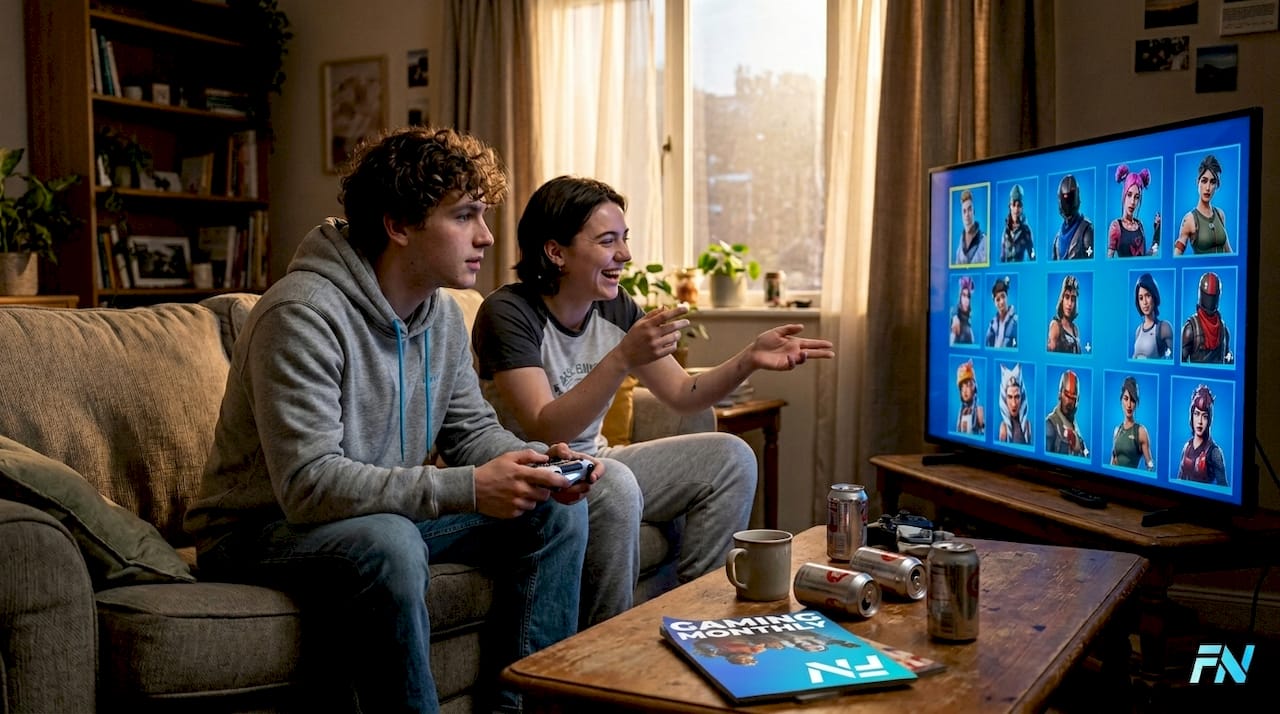
Color and pattern choices carry real tactical weight. Bright skins with bold colors can intimidate opponents in the lobby, signaling confidence. But the moment you try to hide behind a bush or inside a building, that neon pink or glowing white skin becomes a beacon. You’re essentially advertising your position.
Here’s what the research shows: over 60% of competitive Fortnite players prefer medium or dark-toned skins in ranked modes for the stealth advantage they provide. That stat alone should make you think twice before grabbing the flashiest item in the shop.
Key visual factors to consider before buying:
- Bright skins create psychological pressure in the lobby but increase your detectability during combat
- Dark and medium-toned skins reduce how easily opponents track you during fights, but can make it harder to find yourself on screen after respawning
- Animated effects like glowing particles or reactive styles look incredible but can break your focus during clutch moments
- Slim silhouettes reduce the hitbox perception (the visual space you appear to take up), a major reason top players gravitate toward lean, minimalist designs
- Patterned skins with busy textures can confuse opponents briefly but may also throw off your own spatial awareness
Pro Tip: Watch a replay of your last five matches wearing your current skin. You’ll immediately see whether you were easy to spot and how your character’s visual profile affected your positioning decisions.
The best competitive players choose skins the same way they choose loadouts: with purpose. A slim, solid-colored skin isn’t boring. It’s a deliberate advantage.
Pick skins that fit your playstyle and game mode
With appearance considered, let’s see how purpose, playstyle, and context shape your choice. Not every skin works in every situation, and the most experienced players know this instinctively.
For competitive and ranked modes, the data is pretty clear. 80% of Fortnite World Cup winners used top-tier, low-profile skins per community polls, showing a strong preference for proven options like Renegade Raider, Midas, and Focus. These skins weren’t chosen for nostalgia alone. They offer clean visuals, slim profiles, and minimal distraction.
On the flip side, flashy or bulky skins in competitive play obscure your vision and may even invite more aggression from opponents who see a rare skin as a status target worth eliminating.
Here’s a comparison to help guide your decision:
| Skin type | Best for | Competitive value | Risk factor |
|---|---|---|---|
| OG/rare skins | Solos, flex, experience signal | High (if slim profile) | Attracts skilled opponents |
| Battle Pass skins | All modes, seasonal relevance | Medium to high | Varies by design |
| Item shop skins | Casual, squads, personality | Low to medium | Often flashy or bulky |
| Themed/crossover skins | Casual fun, fan expression | Low in ranked | High visual distraction |
“In ranked play, your skin is a silent message. The wrong one tells opponents you’re not serious. The right one says you’ve been here before.”
For casual squads and creative modes, none of this matters as much. Go wild with your favorite crossover skin. But the moment you queue into competitive or ranked, treat your skin like a tactical decision, not a fashion choice.
Battle Pass skins often sit in the sweet spot. They’re updated each season with strong designs, and Epic Games tends to give them competitive-friendly proportions compared to item shop exclusives.
Test, review, and update your skin picks regularly
After narrowing your selection, the final step is making sure your pick stands the test of time. Buying a skin and never reconsidering it is one of the most common mistakes players make. The game changes. The meta shifts. What worked six months ago might feel completely wrong today.
Test skins before committing by using free trials when Epic offers them, or by using gift cards to experiment without draining your main V-Bucks balance. If you can borrow a friend’s account to try on a skin in-game, even better.
Here’s a simple tracking table you can use to review your skins over time:
| Skin name | Date added | Current rating (1-5) | Last reviewed | Keep or replace? |
|---|---|---|---|---|
| Renegade Raider | Season 1 | 5 | March 2026 | Keep |
| Galaxy Scout | Season 12 | 3 | March 2026 | Review |
| Item Shop purchase | Feb 2026 | 2 | March 2026 | Replace |
Beyond solo evaluation, feedback from teammates is underrated. Ask your squad what they think of your current skin in the lobby. Sometimes others notice issues you’ve become blind to, like how your skin blends with a specific map area in a way that actually helps or hurts the team’s coordination.
Useful habits for ongoing skin management:
- Reassess every new season as map changes and new skins shift the visual environment
- Track your win rate before and after switching skins, even casually, to spot patterns
- Use bundled accounts to try skins from large accounts without buying each one individually
- Start smaller if you’re unsure, and test with a smaller bundle to find your visual comfort zone
- Keep notes on skins you loved but retired, in case they fit a future playstyle shift
Consistent review turns your locker from a collection of impulse buys into a curated toolkit that actually serves your game.
Why personal style and strategy should drive your Fortnite skin choice
Here’s the take most guides skip: the debate between meta and aesthetics is a false choice. Players spend hours researching which skins pros use, then buy something that feels completely wrong the moment they load into a match. That disconnect is the real performance killer.
Personal preference ultimately drives results, but balancing aesthetics with functionality is what separates confident players from frustrated ones. A skin you love wearing raises your energy. It sounds minor, but confidence in how you look during a match genuinely affects decision-making and risk tolerance during fights.
The uncomfortable truth is that copying a pro’s skin choice without understanding why they use it is just noise. Benjyfishy uses Dummy because it fits his aggressive, fast playstyle and has a slim visual profile. That skin might feel completely wrong for a methodical, defensive player. Strategy and style have to match.
Our take at FN Accounts is this: build your system, test your options, and trust your read of the game. No guide, including this one, can replace the data you collect from your own matches.
Unlock more Fortnite skins with confidence
Ready to upgrade your collection? Here’s how to turn these tips into more Fortnite fun. Now that you have a framework for choosing and evaluating skins, the next step is actually expanding what’s available in your locker.
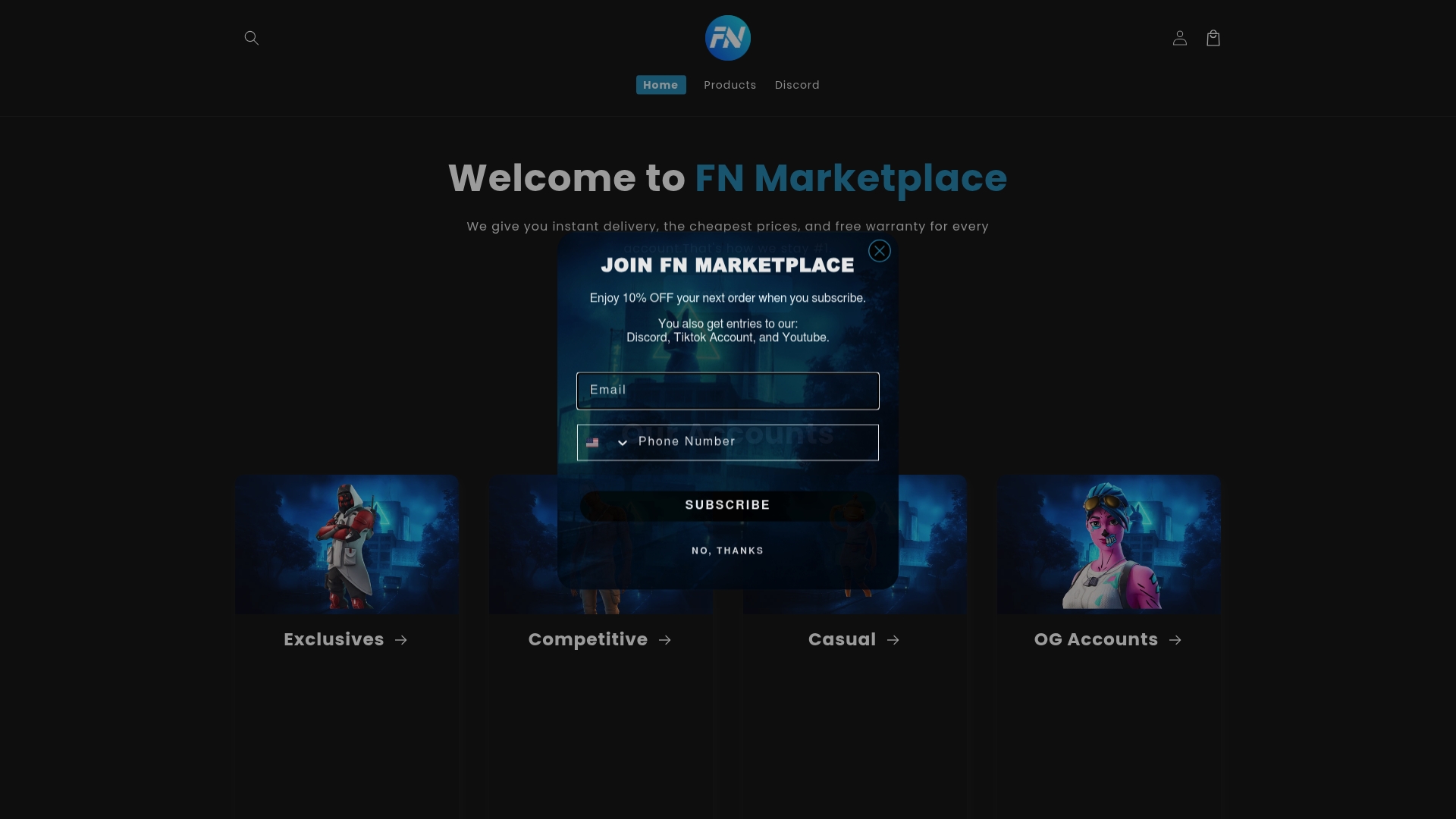
At FN Accounts, we make it easy to access premium skin selections without grinding for months. Whether you want to buy 800 V-Bucks to grab a specific skin you’ve been eyeing, or you’d rather go big with a 50+ skins bundle to instantly diversify your locker, we’ve got options that fit every budget. All accounts come with instant email delivery and a free warranty, so you can focus on playing, not worrying. Use the rating system from this guide to evaluate every new skin you unlock.
Frequently asked questions
Which Fortnite skin is best for competitive play?
Top pros favor slim skins like Dummy, Renegade Raider, and Focus because their minimal profiles reduce visual distraction and improve opponent visibility during fast-paced fights.
Do rare or OG skins make you a target?
Yes. OG rare skins signal experience to other players, which can attract more skilled opponents who see eliminating you as a bigger reward.
How can I test a Fortnite skin before buying?
Using free trials or gift cards lets you preview skins in real gameplay conditions before spending your V-Bucks, and bundled accounts offer even broader access to try multiple options at once.
Are animated or flashy skins a disadvantage?
Animated effects and bright designs make you easier to detect during fights and can break your own focus during high-pressure moments, which is why most competitive players avoid them in ranked modes.