

Fortnite’s item catalog is massive, and if you’ve ever stared at the Item Shop feeling completely lost, you’re not alone. Between weapons, shields, skins, emotes, and a dozen other categories, knowing what everything is and why it matters can feel like a second game in itself. Fortnite items split into two distinct worlds: functional gameplay items and cosmetic items. Mastering both sides of that divide is what separates players who just play Fortnite from players who truly own their Fortnite experience. This guide walks you through every item type, every rarity tier, and every trick for building a collection that turns heads in the lobby.
Table of Contents
- Main types of Fortnite in-game items explained
- Fortnite cosmetic items: Skins, emotes, and more
- How Fortnite skin rarities and special attributes work
- Customization in Fortnite: The Locker and player identity
- Why collectors value Fortnite items beyond gameplay
- Get your dream Fortnite items and skins
- Frequently asked questions
Key Takeaways
| Point | Details |
|---|---|
| Two main item types | All Fortnite items are either functional for gameplay or purely cosmetic for style and identity. |
| Cosmetics boost self-expression | Skins, emotes, and Locker combos help you stand out without altering game performance. |
| Rarity drives value | Rare items gain prestige from exclusivity and history, not gameplay advantages. |
| Collecting is community culture | Unique item collections have become Fortnite status symbols among passionate players. |
| Easy upgrades available | Trusted marketplaces let you quickly boost your account’s rarity and style options. |
Main types of Fortnite in-game items explained
Fortnite’s item ecosystem looks chaotic at first glance, but it actually follows a clean structure once you know where to look. Every item in the game falls into one of two camps: things that help you survive and win, and things that make you look incredible while doing it.
Gameplay and cosmetic items) are the two pillars of Fortnite’s item design. Gameplay items include weapons (assault rifles, shotguns, SMGs, snipers), consumables like shield potions and medkits, building materials (wood, brick, metal), and ammo types. These items directly affect your ability to win matches. Cosmetic items, on the other hand, cover outfits (commonly called skins), emotes, back blings, pickaxes, gliders, and weapon wraps. They do absolutely nothing for your stats, but they do everything for your identity.
Here’s a quick breakdown of what falls into each category:
- Weapons: Assault rifles, shotguns, pistols, explosives, and specialty weapons that rotate each season
- Consumables: Shield potions, Slurp Juice, medkits, bandages, and seasonal healing items
- Materials: Wood, brick, and metal used for building structures
- Ammo: Light, medium, heavy, shells, and rockets
- Skins (Outfits): Character models that change your visual appearance
- Emotes: Dances and gestures used in the lobby or during matches
- Back blings: Backpack-style accessories worn on your character’s back
- Pickaxes: Harvesting tools with unique animations and designs
- Gliders: Deployed when dropping from the Battle Bus
- Wraps: Patterns applied to weapons and vehicles
“The real currency of Fortnite’s social scene isn’t V-Bucks. It’s the rarity and history behind the cosmetics you carry into every match.”
For players focused on collecting, the cosmetic side is where the real depth lives. Accounts loaded with 350+ Fortnite skins or 400 skin bundles represent years of seasonal content, crossovers, and limited releases. The richer your cosmetic collection, the more your account tells a story.
Fortnite cosmetic items: Skins, emotes, and more
Cosmetics are the heartbeat of Fortnite’s culture. Epic Games has released thousands of cosmetic items since 2017, and each one comes with its own story, acquisition method, and level of desirability.
Skins are the most visible cosmetic. They’re full character outfit replacements, and skin acquisition methods include Battle Pass exclusives that never return after the season ends, rotating Item Shop listings, Crew Pack monthly subscriptions, platform or promotional exclusives, tournament rewards, and major crossover events with brands like Marvel, Star Wars, and Nike.
Beyond skins, here’s what rounds out a complete cosmetic loadout:
- Emotes: Animations your character performs, from simple waves to full choreographed dances. Some emotes are as sought-after as legendary skins.
- Back blings: These attach to your character’s back and often come bundled with specific skins, though many can be mixed and matched freely.
- Pickaxes: Your harvesting tool is visible throughout every match. Rare pickaxes with unique animations are a serious flex.
- Gliders: Deployed once per match, but a clean glider makes every drop feel cinematic.
- Wraps: Applied to weapons and vehicles, wraps let you carry your personal color scheme into combat.
Pro Tip: Back blings from one skin often pair surprisingly well with a completely different outfit. Experimenting with cross-skin combinations is one of the easiest ways to create a look nobody else in the lobby is running.
Collecting rare cosmetics has become a pursuit in its own right for a large portion of the player base. Accounts featuring 375+ skin collections or 125 skin bundles often hold cosmetics that simply cannot be purchased anymore, making them genuinely irreplaceable. That scarcity is exactly what drives the collector mindset in Fortnite’s community.
How Fortnite skin rarities and special attributes work
Not all skins are created equal, and rarity is the system that organizes everything. Understanding rarity tiers tells you exactly why some skins command massive attention and why certain accounts are worth so much more than others.
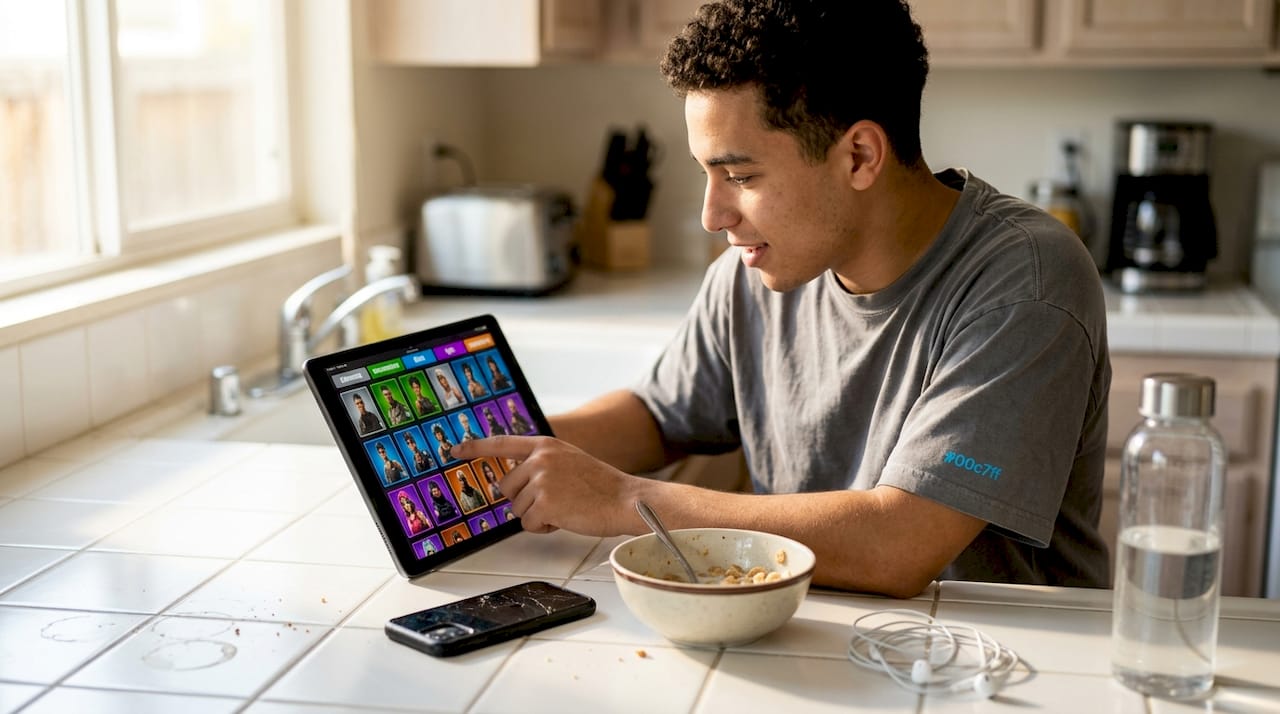
Fortnite skin rarity tiers run from Common (gray) at the lowest end, through Uncommon (green, around 800 V-Bucks), Rare (blue, around 1,200 V-Bucks), Epic (purple), and Legendary (gold, around 2,000 V-Bucks) at the top of the standard scale. Above those sit Mythic and Exclusive tiers, reserved for limited events and special releases.
| Rarity Tier | Color | Approx. V-Bucks Cost | Availability |
|---|---|---|---|
| Common | Gray | 500 | Frequent |
| Uncommon | Green | 800 | Regular |
| Rare | Blue | 1,200 | Moderate |
| Epic | Purple | 1,500 | Limited |
| Legendary | Gold | 2,000 | Rare rotations |
| Mythic/Exclusive | Special | Varies | Event only |
Beyond standard rarity, certain skins carry special attributes that make them even more desirable:
- Reactive skins: These visually change during a match based on your performance, like showing more damage effects as you get eliminations.
- Evolving skins: These unlock additional styles as you complete challenges or reach milestones, giving one skin multiple distinct looks.
- Icon Series skins: Crossover skins featuring real-world celebrities, athletes, and musicians. Think Travis Scott, Ariana Grande, or LeBron James.
- Seasonal and themed skins: Tied to specific chapters, holidays, or in-game events, making them time-stamped pieces of Fortnite history.
Key stat: OG Battle Pass skins have ownership rates under 0.1% among active players, which is what makes accounts holding those skins so extraordinarily valuable. Accounts with rare and epic skin sets or 300+ skins often include multiple items from these ultra-low-ownership categories.
Customization in Fortnite: The Locker and player identity
Owning great cosmetics is only half the equation. How you combine them is where your personal Fortnite identity actually comes to life, and that’s exactly what the Locker system is built for.
The Locker is your personal customization hub. From there, you select your outfit, edit available style variants (many skins offer five or more color and design options), equip your back bling, choose your pickaxe, assign your glider, set your emotes to the quick wheel, and apply wraps to your weapons. None of it touches gameplay, but all of it shapes how you’re perceived in every lobby.
| Feature | Default Loadout | Customized Loadout |
|---|---|---|
| Outfit | Default character | Rare or exclusive skin |
| Back bling | None | Matching or contrast pick |
| Pickaxe | Standard | Animated, themed tool |
| Emotes | Basic | Rare or Icon Series |
| Wraps | None | Coordinated weapon skins |
Building a signature look takes some thought. The players with the most memorable accounts don’t just stack skins randomly. They build themes: a specific color palette, a consistent vibe across their pickaxe and back bling, emotes that match the character’s personality.
Pro Tip: Many skins with style variants let you switch between looks mid-lobby, so you can adapt your appearance to match your squad’s theme without swapping outfits entirely. That flexibility is a hidden feature most players underuse.
Accounts with 275 skin packs or 100 skins bundles give you enough variety to build multiple distinct loadout themes, so you’re never locked into one aesthetic for long.
Why collectors value Fortnite items beyond gameplay
Here’s the thing most casual players miss: Fortnite cosmetics aren’t just about looking cool. They’re digital status symbols with real cultural weight. Owning an OG skin from Chapter 1 Season 1 doesn’t make you a better player. It tells everyone in the lobby that you were there, that you’ve been part of this world since the beginning.
Cosmetics carry no competitive edge, but rarity signals veteran status in a way nothing else can. When OG Battle Pass skins sit below 0.1% ownership, wearing one is a statement. The collector’s thrill in Fortnite isn’t about winning matches. It’s about owning a piece of history that almost nobody else has.
This is why the Fortnite community places such enormous social value on rare accounts. Showing up in a lobby with a skin that hasn’t been available for years sparks genuine reactions. It’s the same psychology behind limited sneakers or vintage concert tees. Scarcity plus history equals prestige. Players who understand this are the ones building 325 skin collections with intention, not just buying whatever’s in the shop this week.
Get your dream Fortnite items and skins
Building a rare cosmetic collection from scratch takes years of grinding seasons, spending V-Bucks, and catching limited-time events at exactly the right moment. Most players don’t have that kind of time or history.
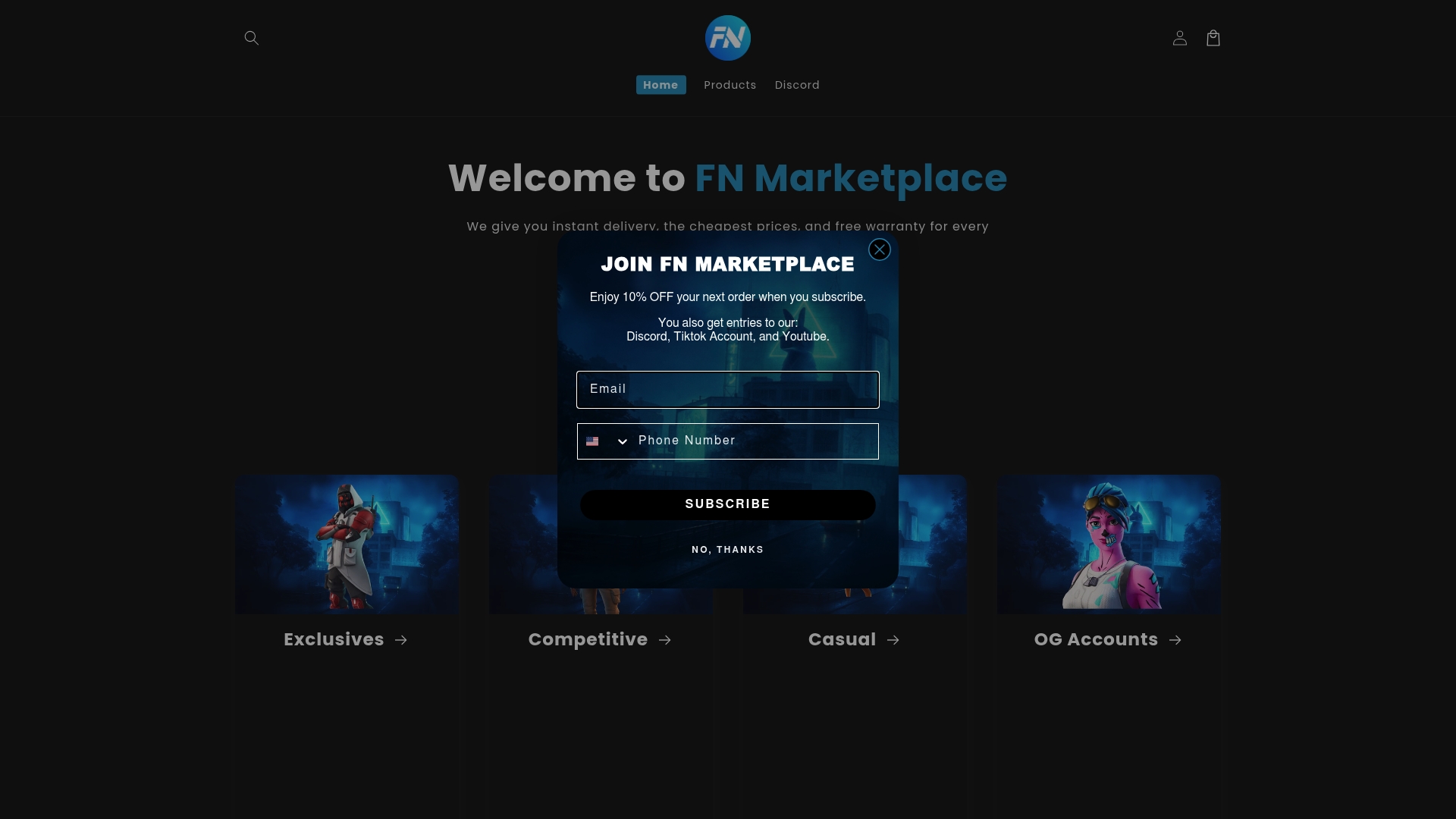
That’s where the Fortnite Marketplace at fnaccounts.com makes the process simple. Whether you’re after an OG stacked locker, a themed collection, or just want to view all 350 skins available right now, the platform delivers verified accounts instantly via email. Every account comes with a free warranty, competitive pricing, and a catalog wide enough to match any collector’s goals. If a 225 skin account fits your vision, it’s a few clicks away from being yours.
Frequently asked questions
What are the main types of Fortnite in-game items?
Fortnite items divide) into gameplay items like weapons, consumables, and building materials, and cosmetics such as skins, emotes, pickaxes, and wraps. Each category serves a completely different purpose.
What makes a Fortnite skin rare?
Rarity comes from limited availability, low ownership rates, and exclusive release windows. OG Battle Pass skins sit below 0.1% ownership because they were only accessible during specific seasons and never returned.
How does the Fortnite Locker work for customization?
The Locker is your personal style hub where you mix and match any unlocked outfit, back bling, pickaxe, emote, and wrap. It’s entirely cosmetic with zero effect on your gameplay stats.
Do rare skins affect gameplay or give any advantage?
Not at all. Cosmetics provide no competitive edge whatsoever. Every skin, emote, and wrap is purely visual and has no influence on your performance or stats.
Can you unlock exclusive skins after their event ends?
Battle Pass exclusives never return once a season closes. Some skins may appear in special Item Shop rotations later, but true event exclusives remain locked once their window passes.